Reviving the Hani legacy
2026-06-12 09:59:07 - 体育

Yang Yuni performs a dance in traditional Hani attire. WANG JINHE/FOR CHINA DAILY
On March 4,新闻网3月4日 the fourth session of the 14th National Committee of the Chinese People's Political Consultative Conference (CPPCC) opened in Beijing.
For 30-year-old Yang Yuni, a member of the CPPCC National Committee, this marks her fourth time attending China's top political advisory body. Once again, she entered the Great Hall of the People dressed in her signature ethnic costume, intricately adorned with traditional patterns.
"These patterns represent our ancestors' deep reverence for nature," Yang explained. "I wear this to showcase the vibrancy of Hani culture while fulfilling my duties here in Beijing."
A member of the Hani ethnic group, Yang's journey from the Honghe Hani and Yi autonomous prefecture in Yunnan province to China's political stage has been one of self-discovery and cultural preservation.
"I speak not only for myself, but also for my community and the protection of our legacy," Yang said.
Her story begins in a village nestled among the iconic Hani rice terraces, where daily life has long been intertwined with cultural traditions. After a day in the fields, villagers would gather around a fire to sing Hani folk songs and perform the Lezuo dance, all without sheet music or rehearsals.
"In their movements, you could feel the echoes of nature and the ever-changing seasons of the terraces," Yang recalled. "That sense of joy and ease is part of who we are."
For Yang, singing and dancing were once simply part of village life. It wasn't until 2013, when the Honghe Hani Rice Terraces were inscribed on the UNESCO World Heritage List, that she realized these traditions held much greater significance.
"I was in high school when I saw the terraces being repeatedly featured on TV, alongside the local songs and dances. It was then that I realized what I had always taken for granted was, in fact, the heart of my hometown," Yang said.
But just as Hani culture began gaining international recognition, Yang noticed a worrying trend: fewer young people seemed able to sing Hani folk songs or perform the Lezuo dance.
"A veteran Hani artist once told me that these folk songs carry the history of our ancestors' migration. If we lose them, we can never reclaim them," she said. "At that moment, I truly felt the weight of being Hani."

Yang (center) teaches local children the Hani Lezuo dance at the Yuni Cultural Heritage Center in Honghe Hani and Yi autonomous prefecture, Yunnan province. LI ZIYU/FOR CHINA DAILY
Replanting a seed
Yang decided to act. In 2015, while still in college, she founded the Yuni Cultural Heritage Center, a platform dedicated to teaching local children the invaluable traditions of the Hani people.
The early days of the center were tough. "The biggest challenge was that few people understood our mission, and we lacked both teachers and resources," Yang said.
She visited nearby villages to invite senior artists to teach and even transformed her home into a classroom. Gradually, she gathered the resources needed to bring her vision to life.
"What kept me going were the expectations of the artists and the spark in the children's eyes when they mastered a dance step or sang an ancient song,"Yang said.
Today, the center has trained over 3,600 students and built a team of more than 20 teachers.
Beyond running the center, Yang has also worked to make ethnic arts more appealing to modern youth. She founded a youth dance troupe with over 100 members from diverse ethnic groups, including Hani, Yi, Bai, and Han. In rehearsals, she would combine Lezuo movements with street dance, creating a fresh and innovative performance.
"When we first practiced it, the young dancers were amazed," she recalled. "They never imagined that ancient songs and dances could be performed this way. Everyone was excited and quickly got involved."
Yang has also made significant efforts to incorporate these cultural treasures into everyday life. For example, she adapted Lezuo dance into school exercise routines, staged performances inspired by terrace farming, and used short videos to share Hani songs and dances with a wider audience.
Additionally, Yang has embraced technology to help safeguard these cultural practices. At her center, AI is used to design patterns for Hani costumes, while traditional dances and folk songs are digitally recorded. She also plans to employ embodied robots to replicate Hani dance steps.
The center also works to conserve other important art forms of Hani culture, including embroidery, bamboo weaving, silver ornaments, and pottery.
"These elements are essential to our heritage," Yang explained. "I'm committed to preserving them so they can be passed down."
A new chapter
During her field research, Yang encountered many concerns. One elderly embroiderer expressed her worry that the craft would fade if it wasn't passed on. Villagers also spoke of their struggles with terrace irrigation and the challenges of maintaining their cultural customs.
Yang brought these voices to Beijing.
At last year's two sessions, Yang's proposal for the preservation of intangible cultural heritage received significant attention.
"When I saw these issues being discussed at such a high level, I realized how important my responsibility was,"Yang said.
She began finding ways to bridge cultural preservation with economic benefits. For example, she integrated ethnic songs, dances, and embroidery with tourism. Visitors can now enjoy live performances and try their hand at embroidery, which has boosted the local hospitality and dining sectors. The cultural products developed by her team have also created opportunities for local artisans to increase their income by showcasing their craftsmanship.
"Many villagers are now able to support themselves through what we've built," Yang said.
This year, Yang's proposals will focus on merging the conservation of cultural assets with industries such as technology, agriculture, tourism, education, and rural revitalization.
"I want to continue bringing our rich heritage into schools and communities, so more young people can connect with our ethnic identity," she said. "I hope that the ancient terrace civilization will flourish not only in our time, but for generations to come."
- END -
王玲:以真心换真情 做群众最信任的人

“什么也不说了,离婚!”9月中旬,走进明光市爱不释手婚姻家庭纠纷调解室,一股火药味迎面扑来。“离婚不是儿戏,伤害最大的是无辜的孩子,你们再考虑考虑……”面对情绪激动的二人,明光市政协常委、人民调解员王
天山胜利隧道的“护航者” 照亮行车人的平安归途

去年底通车的乌尉高速打通天山南北,乌鲁木齐市至库尔勒市驾车时长由此前7小时缩短至3.5小时。通车至今,累计通行车辆超过100万辆,预计春节期间通行车辆超27万辆。乌尉高速必经的天山胜利隧道全长22.1
“十二花神”是如何选出的?来看看《贺花神》幕后的故事
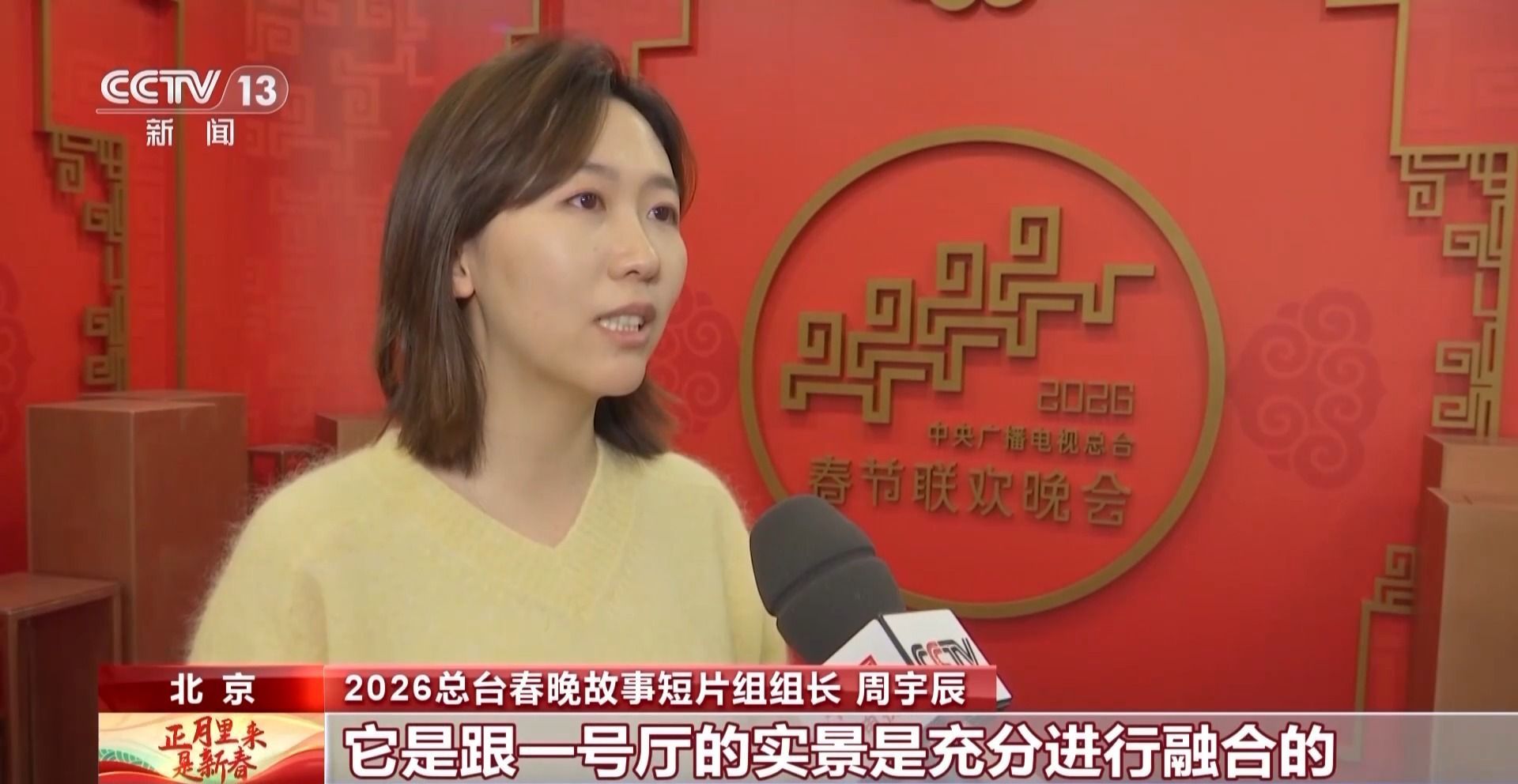
中央广播电视总台《2026年春节联欢晚会》为广大观众送上了热气腾腾、温情满满的文化大餐。其中,歌咏创意秀节目《贺花神》以“花”为意象,通过AI生成影像与实景舞台扩展技术,打造了“一月一人一景,一花一态
热气腾腾的中国年丨赶年集、贴春联、逛庙会……你还记得小时候的“年味”吗?

绿皮车摇晃着归乡的思念,夫子庙的花灯点亮整条秦淮河。80、90年代的春节没有电子红包,只有温暖的守岁;没有预制年夜饭,却有一整屋的烟火气。翻出老影像不是在怀念过去,而是想告诉你:年味从未消失,它只是换
全国外贸第一城 深圳出现三个关键信号

“中国外贸第一城”,正在出现一些新的关键信号。5月19日,21世纪经济报道记者从深圳海关获悉,今年前4月,深圳市累计进出口总值1.82万亿元,同比增长31%。同期,上海累计进出口总值1.22万亿元,同
中国队第二金 徐梦桃夺得自由式滑雪女子空中技巧金牌

北京时间2月18日,在米兰-科尔蒂纳冬奥会自由式滑雪女子空中技巧决赛中,中国选手徐梦桃夺得金牌。这也是中国体育代表团在本届冬奥会收获的第二枚金牌。
每个人都是主角 总台马年春晚多角度打造“人民的春晚”
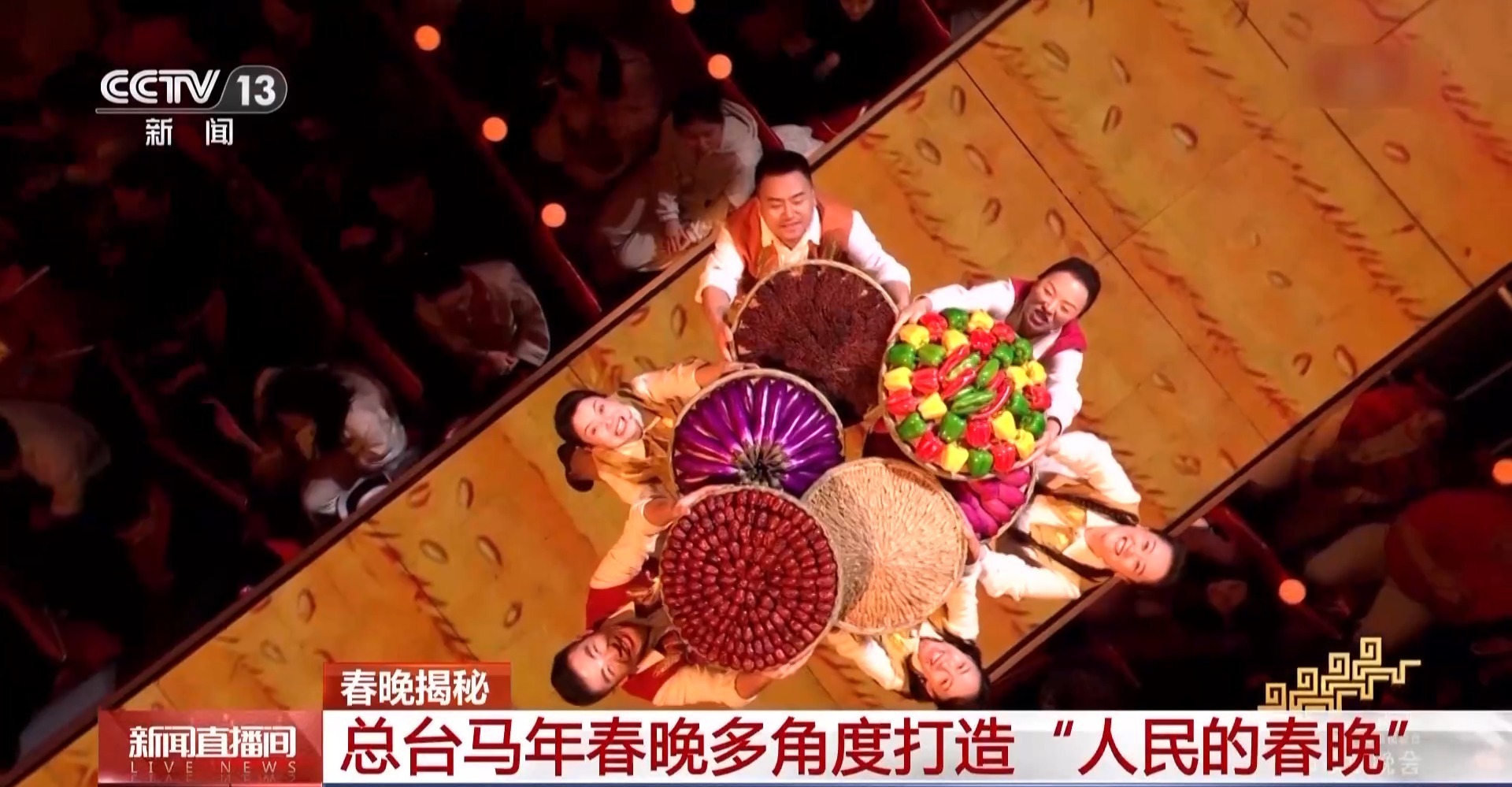
除夕夜的总台马年春晚,这两天依然是观众热议的话题。今年总台春晚,在“欢乐吉祥、喜气洋洋”的主基调下,从中华优秀传统文化中汲取创意灵感,从新大众文艺的创新中吸纳创作养分,从开心、贴心、暖心、信心等多个角
与30年前的“自己”再续前缘!蔡明第28次上春晚演小品

在2026总台马年春晚的舞台上,64岁的蔡明时隔7年再度登场,与青年喜剧演员王天放携手表演小品《奶奶的最爱》。今年是蔡明第28次在春晚舞台上表演小品。从时尚少女到聪明媳妇,再到“毒舌”老太太,她塑造的
前三季度我国新改建农村公路11.8万公里

ze: 14px; line-height: 28px;">新华社南昌10月31日电记者 王聿昊 叶昊鸣)今年前三季度,全国农村公路完成固定资产投资3587亿元,同比增长5.1%;新改建农村公路11.
新春走基层丨非遗也有“潮能力”

“以前觉得非遗离生活很远,现在却把它穿在身上、走成风景。”大学生小陈翻开她的“旅行日记”:过去一年,她打卡5座古镇,体验10余项非遗技艺,而在天津杨柳青古镇亲手刷印的年画,成了她珍贵的旅途记忆,也让传
一场极致的气温震荡即将登场!气温猛冲到“四月春”后将被紧急撤回
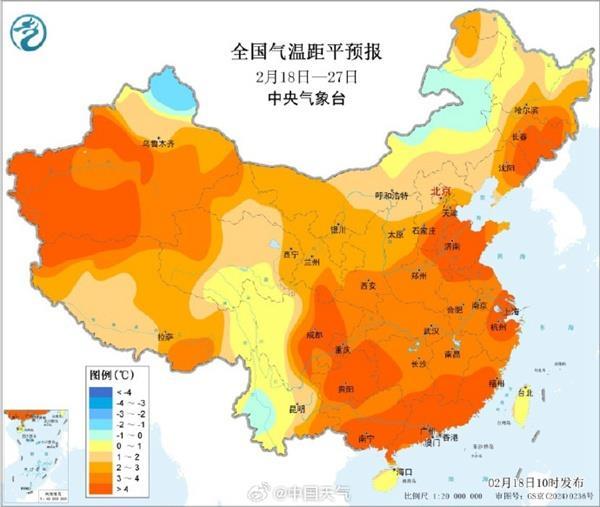
马年新春大回暖正在“火热”进行中!预计到21日初五)之前,我国大部地区以晴或多云天气为主,雨雪分布较为分散,总体不强,且都没有明显的冷空气,多地气温将如同脱缰之野马一路飙升,暖到什么程度?中东部多地白
港珠澳大桥迎春节假期“跨境热”

马年春节假期,港珠澳大桥成为内地与港澳居民“北上南下”双向奔赴的热门通道。自2月15日以来,截至2月17日17时30分,经港珠澳大桥边检站查验出入境旅客已达25万人次,车流已达4.6万辆次。非遗体验、